



Industrial Real Estate: The Cornerstone of America’s Resilient Future and Sustainable Power
The United States is at a critical juncture. Recent global events have starkly illuminated the vulnerabilities inherent in over-reliance on distant supply chains and foreign manufacturing. Years of underinvestment have thinned our domestic industrial base, leaving us susceptible to global competition and posing significant risks to our national security and economic vitality. Fortifying our internal production capabilities isn’t merely a strategic advantage; it’s an absolute imperative for safeguarding America’s security, maintaining our global competitiveness, and ensuring enduring economic resilience. This national recalibration is poised to ignite unprecedented demand for industrial and logistics real estate. The focus will sharpen on upgrading and modernizing our existing, often outdated, industrial infrastructure to meet the escalating requirements for efficiency and expanded capacity. Consequently, sectors like advanced manufacturing, research and development facilities, light industrial hubs, and robust logistics networks are emerging as compelling investment opportunities.
Industrial Refurbishment: An Unexpected Frontier for Sustainable Power and Economic Security
In the face of limited available land and the urgent mandate to decarbonize our built environment, the refurbishment and development of industrial properties represent a profound opportunity. When these assets are thoughtfully reimagined and revitalized, they can become powerful engines for sustainability while simultaneously bolstering the very supply chains that form the bedrock of our national infrastructure. This is where the concept of sustainable industrial power truly takes root, moving beyond theoretical discussions to tangible, impactful solutions.
Decarbonization, Energy Efficiency, and Advanced Power Management in Industrial Assets
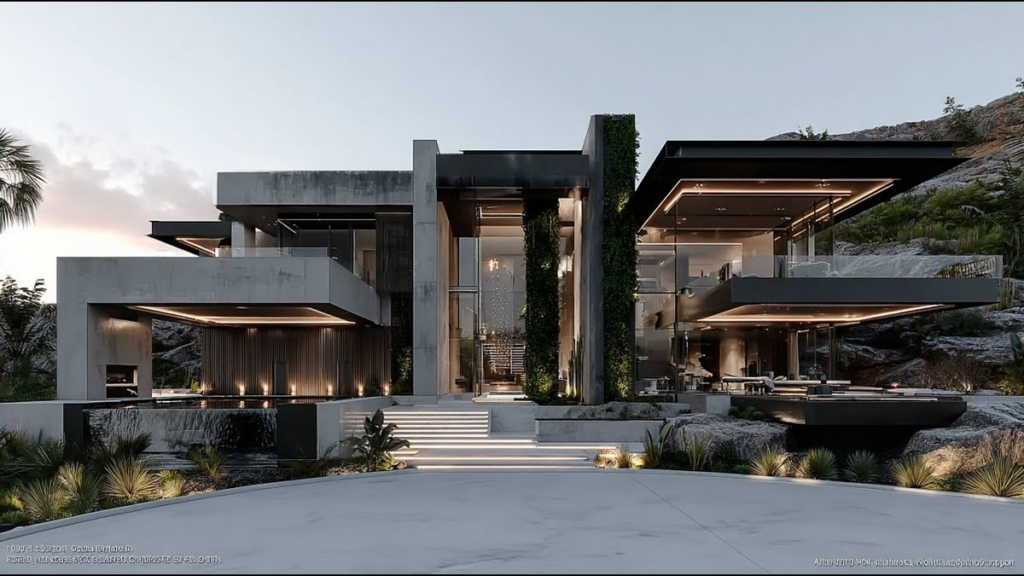
The U.S. Green Building Council, among other influential bodies, consistently highlights the significant environmental footprint of buildings, noting their substantial contribution to global energy consumption and carbon emissions. As we push towards a more sustainable future, legislative and market-driven pressures are intensifying the focus on energy-efficient industrial buildings. This directive is not just about compliance; it’s a strategic move to reduce operational costs and enhance environmental stewardship. A key target is the integration of renewable energy sources, with ambitious goals set for substantial portions of energy consumption in newly constructed or significantly renovated buildings to be derived from renewables.
One of the most significant hurdles for industrial and logistics facilities lies in their substantial energy demands. The operation of heavy machinery and the charging infrastructure for burgeoning electric fleets require considerable power. While retrofitting existing structures is crucial for improving overall energy efficiency in industrial properties, the truly transformative potential lies in leveraging the vast expanses of rooftops and adjacent brownfield sites. These underutilized areas present an unparalleled opportunity to generate localized, efficient renewable energy. The integration of on-site solar photovoltaic (PV) systems, potentially complemented by wind turbines, coupled with advanced battery storage solutions and intelligent smart energy management systems, creates a powerful synergy. This holistic approach enables the direct decarbonization of on-site operations, crucially including the powering of electric vehicle fleets, thereby reducing reliance on the traditional grid and its associated carbon intensity. This is a critical component of industrial real estate sustainability.
Enhancing Resilience to Physical Climate Risks Through Nature-Based Solutions

While decarbonization is paramount in mitigating the escalating threats of climate change and extreme weather events, the global pace of carbon emission reduction remains a challenge. Consequently, it is imperative that our industrial assets also possess enhanced resilience to extreme weather. This focus on climate-resilient industrial real estate is vital for minimizing operational disruptions and safeguarding business continuity.
While significant public investment in large-scale infrastructure, such as coastal defenses, plays a role in mitigating certain risks, localized, nature-based solutions for industrial properties offer a potent and often more accessible complementary strategy. These solutions not only bolster resilience against physical climate impacts but also demonstrably improve the well-being of occupants and surrounding communities, while simultaneously enhancing local biodiversity.
Industrial properties are uniquely positioned to implement these nature-based solutions due to their inherent characteristics: extensive roof surfaces, large wall areas, and often generous plot sizes that include significant outdoor space. These features provide ample opportunities for integrating ecological systems directly into the built environment.
Consider these compelling examples of enhanced resilience:
Flood Mitigation: The strategic implementation of Sustainable Urban Drainage Systems (SUDS), encompassing elements like permeable paving, rain gardens, and retention/detention ponds, can dramatically reduce stormwater runoff – often by as much as 60-72%. Beyond managing water, these systems offer effective filtration and can foster aquatic ecosystems that rival natural ponds in species richness, often exhibiting 60-80% similarity. This is a direct application of green infrastructure for industrial sites.
Cooling and Heat Stress Mitigation: The integration of green walls on industrial buildings can lead to significant internal temperature reductions, often by up to 2.7° Celsius. Furthermore, these living facades can contribute to energy savings of up to 8% by reducing cooling loads. Similarly, green roofs can deliver substantial energy savings, potentially up to 6.7%, and, when accessible to tenants, have been shown to increase property values by as much as 7%. This addresses the growing concern of urban heat island effect mitigation in industrial zones.
Temperature Reduction Through Strategic Tree Planting: Beyond structures, the judicious planting of trees in and around industrial facilities can exert a tangible impact on local ambient air temperature, reducing it by approximately 3° Celsius. Moreover, each tree acts as a natural carbon sink, sequestering an estimated 5.5 kilograms of carbon annually. This contributes to creating more comfortable and healthier working environments, enhancing the social value of industrial real estate.
The Tangible Social Dividends of Strategic Industrial Investment
Investing in robust domestic manufacturing supply chains, anchored by thoughtfully designed and expertly managed industrial assets, yields a cascading array of positive social impacts. These benefits extend far beyond the operational efficiency of the facility itself, directly influencing the well-being of its tenants and contributing positively to the broader community fabric.
This includes the creation of valuable, skilled employment opportunities, thereby helping to reduce income inequality and foster economic mobility. It provides a vital platform for supporting local small and medium-sized businesses, strengthening regional economies. Furthermore, well-integrated industrial developments can spur improvements in local services and amenities, and act as catalysts for much-needed urban regeneration initiatives. This holistic approach underscores the community impact of industrial development.
Charting the Course: Industrial Real Estate as the Fulcrum of a Resilient America
America’s determined drive to bolster its national resilience and revitalize its domestic manufacturing sector is inextricably linked to achieving its long-term sustainability objectives.
Enhanced security, whether economic, energy, or supply chain related, provides a crucial stabilizing force for our economy and society. It cultivates an environment conducive to vital investments in climate transition, strengthens social cohesion, and ensures the protection of our critical infrastructure. Critically, it also serves as an enabler for the broader decarbonization ambitions that are central to our national strategy.
The incorporation of advanced security technologies – such as AI-driven monitoring systems, sophisticated sensor networks, and robust cybersecurity solutions – can further amplify gains in energy efficiency, improve climate monitoring capabilities, enhance disaster response protocols, and bolster overall infrastructure resilience. Simultaneously, the strategic shift from sprawling, globalized supply chains to more localized, sustainable manufacturing paradigms offers a dual benefit: a significant reduction in carbon emissions and a powerful stimulus for local job creation.
Industrial real estate stands at the very nexus of this transformative agenda. By upgrading these essential assets with integrated renewable energy solutions, adopting climate-resilient design principles, and embedding strong social-value practices, we lay a robust foundation for enhanced national security. This strategic approach strengthens our supply chains, accelerates our decarbonization efforts, and cultivates thriving, resilient communities for generations to come.
As businesses and investors look to capitalize on this evolving landscape, understanding the multifaceted opportunities within industrial property investment and sustainable manufacturing facilities is paramount. Engaging with experts in industrial real estate development and ESG (Environmental, Social, and Governance) consulting for real estate can unlock the full potential of these vital assets.
Are you ready to explore how your industrial real estate strategy can contribute to America’s secure and sustainable future? Contact us today to discuss your specific needs and discover tailored solutions for your next industrial property investment.