



Navigating the Shifting Sands: Real Estate Investment in an Era of Deglobalization and Digital Dominance
The currents of global economics are undeniably shifting. After decades of increasing interconnectedness, the pendulum is swinging back towards a more fragmented world, a phenomenon often termed deglobalization. This profound geopolitical and economic reorientation is not merely an abstract concept for industry professionals; it’s a tangible force reshaping the very landscape of real estate investment. For those of us with a decade of experience navigating this dynamic sector, the message is clear: the demand for real estate investment is poised for a positive recalibration, driven by a fundamental, pervasive theme – the paramount importance of security.
In this evolving global order, investors are placing a significantly greater emphasis on the robustness of their portfolios. This translates into a heightened focus on diversification, not just across traditional asset classes, but crucially, across geographies and industries. The days of assuming a perpetually interconnected global market are fading. Instead, the prudent investor is actively seeking to mitigate risks associated with geopolitical instability, supply chain disruptions, and nationalistic economic policies. This necessitates a more granular approach, understanding the unique risk-reward profiles of different markets and the inherent resilience of various property types.
Furthermore, we’re witnessing a compelling recalibration of risk versus reward in many established real estate markets. In numerous European and Asia Pacific locales, pricing has, in many instances, corrected to a point where it offers an attractive proposition. Investors are finding opportunities where the potential downside appears to be more contained, while the upside potential remains compelling. This doesn’t signal a return to speculative booms, but rather a more mature assessment of value, acknowledging that in times of uncertainty, tangible assets with intrinsic utility can offer a ballast against volatility.
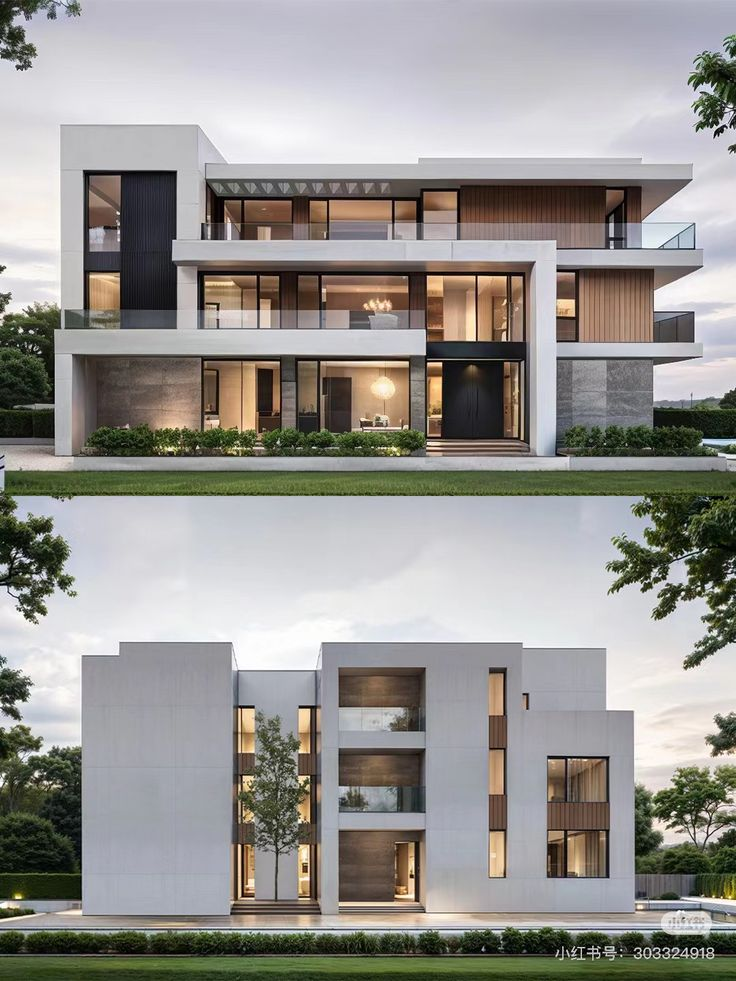
Another significant tailwind for the real estate investment market is the surprising resilience of occupier markets. Despite the headwinds of a generally weaker global economic outlook, businesses are demonstrating a persistent need for physical space. This underscores the fundamental utility of real estate – it remains the bedrock upon which commerce and daily life are conducted. While economic cycles will always exert pressure, the underlying demand for functional, well-located properties continues to underpin the sector’s inherent value. The prevailing sentiment, gleaned from countless conversations and market analyses, is one of cautious optimism. The inherent resilience of real estate as an investment is expected to shine through, even amidst the prevailing economic and geopolitical turbulence.
Unpacking the Nuances: Retail, Offices, and the Counter-Cyclical Play
Within the broader real estate spectrum, specific sectors present particularly interesting trade-offs between re-pricing and risk. Retail and office spaces, often at the forefront of market shifts, are no exception. Both sectors, when approached with discernment and strategic focus, are proving to be highly investable in select markets. This is a departure from the narrative of outright decline often painted for these asset classes.
The revival in grocery-anchored retail properties and local shopping centers is particularly noteworthy. These assets, deeply embedded in the fabric of communities and catering to essential needs, are attracting significant investor interest across all three major global regions. The predictability of consumer spending on food and everyday necessities provides a degree of stability that is highly prized in the current climate. Investors are recognizing that not all retail is created equal; the focus has shifted from large, often struggling, malls to smaller, more convenience-oriented formats that serve immediate local demand.
The office sector, despite the persistent narrative of post-pandemic occupancy challenges and the rise of remote work, is also showing signs of a fascinating turnaround. Data from sources like MSCI reveal a substantial volume of deals in office building investments, with a notable increase year-on-year and representing a significant allocation shift across all property types. This might seem counterintuitive, but it reflects a deeper understanding of evolving workplace needs. While the traditional 9-to-5 office model may be changing, the demand for high-quality, well-located, and amenity-rich office spaces – particularly those designed for collaboration, innovation, and employee well-being – remains robust. Many are viewing these select office assets as important counter-cyclical plays for the coming years, offering potential upside as economic conditions eventually stabilize and businesses re-evaluate their long-term spatial strategies.

The Unstoppable Force: AI and the Data Center Boom
However, when the conversation inevitably turns to the most significant opportunities poised to shape the industry in the year ahead, one theme consistently dominates: Artificial Intelligence (AI). And intrinsically linked to the explosive global growth of AI is the data center market. This burgeoning sector truly exemplifies the blurring of boundaries between traditional real estate and essential infrastructure. It’s a testament to how technological advancement can create entirely new asset classes, demanding specialized development, operational expertise, and immense capital investment.
The dominance of data centers as a leading investment prospect is not confined to a single region. They consistently top the sector rankings in reports focusing on Emerging Trends in Europe and the United States & Canada. The Asia Pacific survey respondents echo this sentiment, identifying the data center sector as the most attractive niche property type for the foreseeable future. This isn’t a fleeting trend; it’s a fundamental shift driven by the insatiable demand for computing power, data storage, and the infrastructure to support the digital revolution.
We saw signals of this transition from niche to mainstream in Western markets as early as the 2024 editions of Global Emerging Trends. While capital allocations were still relatively modest compared to established sectors, the trajectory was evident. This year’s Global report interviews confirm that this prediction is rapidly materializing, even as concerns about a potential “AI bubble” persist, fueled by the colossal capital expenditure plans of major tech firms for vast data center mega-campuses, particularly within the United States. The sheer scale of these developments underscores the transformative impact of AI on the real estate sector.
Confronting the Challenges: Sustainability, Obsolescence, and Resource Management
Yet, this extraordinary growth is not without its significant challenges. The interviewees consistently highlight the risks associated with rapid technological advancement, leading to potential obsolescence of existing infrastructure. The sheer energy and water demands of modern data centers also present a formidable hurdle, especially in an era where environmental consciousness is paramount. “The risk of not getting it right is high,” admits one prominent global player, “but it’s a key megatrend. You also don’t want to miss out in full on the opportunity, as it is here to stay.” This sentiment perfectly encapsulates the complex dilemma: the imperative to innovate and capitalize on transformative trends while simultaneously managing the inherent risks and responsibilities.
These opportunities, undeniably, put the industry’s commitment to sustainability to the test. The regional reports from Europe, Asia Pacific, and North America reveal an evolving approach to Environmental, Social, and Governance (ESG) strategies within real estate. While views on sustainability vary, there’s a growing consensus that asset owners must prioritize deliverable and measurable initiatives. European leaders, in particular, are increasingly viewing ESG not as a philosophical pursuit, but as a pragmatic imperative for long-term value creation. The Emerging Trends US & Canada report, while not explicitly using the term ESG, focuses on related concepts such as asset resilience in the face of climate change, highlighting the industry’s growing awareness of the need to adapt to a changing environment.
Ultimately, the underlying commitment to responsible real estate development and investment remains evident. As one interviewee eloquently put it, “Sustainability is not about throwing money after ideological things. We are always showing our investors that it will ultimately lead to a better value story.” This pragmatic approach, where sustainability translates into enhanced property performance, reduced operational costs, and a stronger appeal to a growing cohort of socially conscious investors, is the path forward. It’s about integrating environmental considerations, social impact, and good governance into the core of investment decisions, recognizing that these factors are no longer peripheral but central to achieving superior financial returns and building enduring value in the real estate sector.
As the global economic landscape continues its dynamic recalibration, understanding these interconnected forces – from the macro trends of deglobalization to the micro-level impacts of AI – is no longer optional, but essential for success. The real estate investment market, with its inherent resilience and adaptability, is poised to play a pivotal role in this new era.
Are you prepared to navigate these evolving market dynamics and capitalize on the opportunities ahead? Explore our latest market intelligence reports and connect with our team of experts to craft a resilient real estate investment strategy tailored to your unique goals.