



Navigating the Shifting Sands: Expert Outlook on U.S. Home Price Appreciation in 2025 and Beyond
As a seasoned professional with a decade immersed in the intricate dynamics of the American real estate landscape, I’ve witnessed firsthand the cyclical nature of market trends. The prevailing sentiment among seasoned analysts, corroborated by recent industry surveys and my own observations, points towards a period of subdued but steady US home price appreciation for the foreseeable future. This isn’t a market poised for explosive growth, but rather one demonstrating resilience and incremental progress amidst persistent economic headwinds.
The core narrative shaping the US housing market forecast is undeniably tied to the recalcitrant nature of 30-year mortgage rates, which, for all intents and purposes, appear to be firmly entrenched near the 6% mark. This benchmark figure acts as a significant anchor, tethering the pace of home price increases and tempering any expectations of a rapid turnaround. While headline-grabbing economic shifts often dominate public discourse, the quiet persistence of elevated borrowing costs is the unsung hero – or perhaps, the silent antagonist – dictating the rhythm of residential real estate.
The implications of this sustained high-rate environment are multifaceted. For prospective buyers, particularly those on the margins of affordability, the dream of homeownership becomes a more challenging endeavor. The monthly mortgage payment, a crucial determinant in affordability calculations, remains a substantial hurdle. This directly translates into a moderated demand, a far cry from the frenzied activity witnessed in the immediate post-pandemic era.
Simultaneously, the supply side of the equation offers little immediate relief. Decades of underbuilding, coupled with lingering supply chain disruptions and the escalating costs of construction materials, have created a structural deficit in available housing stock. This scarcity, particularly in desirable urban and suburban corridors, provides a foundational support for US home price appreciation, preventing any significant downdrafts even as demand cools. The interplay between these two forces – constrained demand due to affordability and limited supply – creates a delicate equilibrium, favoring gradual price increases rather than dramatic fluctuations.
Understanding the Nuances of US Home Price Appreciation in 2025
Looking ahead to 2025, the consensus among a broad spectrum of housing analysts suggests a measured increase in US home prices. Projections hover around the 1.8% mark for the current year, a figure that, while modest, signifies continued upward momentum. This is not an insignificant detail; in a market characterized by economic recalibrations, even small gains represent stability and a rejection of contraction. The Personal Consumption Expenditures Price Index, excluding volatile food and energy, which the Federal Reserve closely monitors, has recently been hovering around 3.1% year-over-year. The projected home price increases are therefore lagging behind general inflation, indicating a market that is not overheating.

The outlook for 2027 offers a slightly more optimistic, though still conservative, trajectory, with anticipated growth around 2.5%. This gradual climb underscores a key trend: the market is expected to continue its slow and steady ascent, guided by underlying economic fundamentals rather than speculative fervor. This is the kind of sustainable growth that builds long-term equity and fosters a healthier housing ecosystem.
The “Golden Handcuffs” Effect: Why Homeowners Are Hesitant to Sell
A significant factor contributing to the sustained low inventory is what I refer to as the “golden handcuffs” effect. Millions of homeowners refinanced or purchased their homes during the pandemic, locking in historically low mortgage rates, often below 3% or 4%. These incredibly attractive rates, a relic of a different economic era, have created a powerful disincentive for them to sell. Moving would necessitate giving up these advantageous terms and likely securing a new mortgage at a considerably higher rate, significantly increasing their monthly housing expenses. This reluctance to trade down or relocate, even for those seeking larger or more modern homes, directly constricts the available supply of existing homes on the market, providing a bedrock of support for US home price appreciation.
This phenomenon is not unique to specific regions; it’s a nationwide sentiment. While there might be localized pockets of activity, the overarching trend of homeowners prioritizing their current low mortgage payments over market liquidity is a dominant force. This creates a self-perpetuating cycle: fewer homes on the market mean higher competition for available properties, which in turn helps to bolster prices.
Economic Currents and Their Impact on Real Estate
The broader economic climate plays a crucial role in shaping real estate trajectories. The Federal Reserve’s stance on interest rates is a primary driver. With inflation stubbornly above their target, concerns persist regarding the timeline for any potential rate cuts. The ongoing geopolitical landscape, including recent conflicts, has added another layer of complexity, contributing to elevated oil prices and increased Treasury bond yields. While these factors can introduce volatility into broader financial markets, their direct impact on the pace of US home price appreciation tends to be more nuanced, often reinforcing the trend of cautious optimism rather than dramatic shifts.
The administration’s stated aims to revitalize the housing market through cheaper mortgages, while laudable, have yet to translate into a significant downturn in rates. The market’s response is governed by the fundamental interplay of supply, demand, and borrowing costs, and the current economic realities are dictating a more measured approach. This underscores the importance of understanding the long-term drivers of the US housing market rather than relying on short-term policy interventions to dramatically alter the course.
The Evolving Landscape of Home Affordability
The persistent challenge of home affordability remains a central theme. As home prices have climbed over the past decade, outpacing wage growth in many areas, the gap between what a median-income household can afford and the cost of entry-level housing has widened. This is particularly acute in high-demand metropolitan areas. The concept of a “starter home” has become increasingly elusive for many aspiring homeowners.
This affordability crunch is not just a matter of monthly payments; it encompasses the entire cost of homeownership, including property taxes, insurance, and maintenance. When combined with the elevated mortgage rates, the financial commitment required to own a home has become a significant barrier. This is why the persistent shortage of affordable homes continues to be a defining characteristic of the US real estate market.
Beyond the Headlines: Regional Variations in the US Housing Market
While national trends provide a valuable framework, it’s crucial to acknowledge the significant regional variations that characterize the US housing market. Certain areas, often those with robust job markets and a high quality of life, continue to experience stronger demand and more pronounced US home price appreciation. Conversely, markets that have experienced economic downturns or are less attractive to new residents may see slower growth or even stagnation.
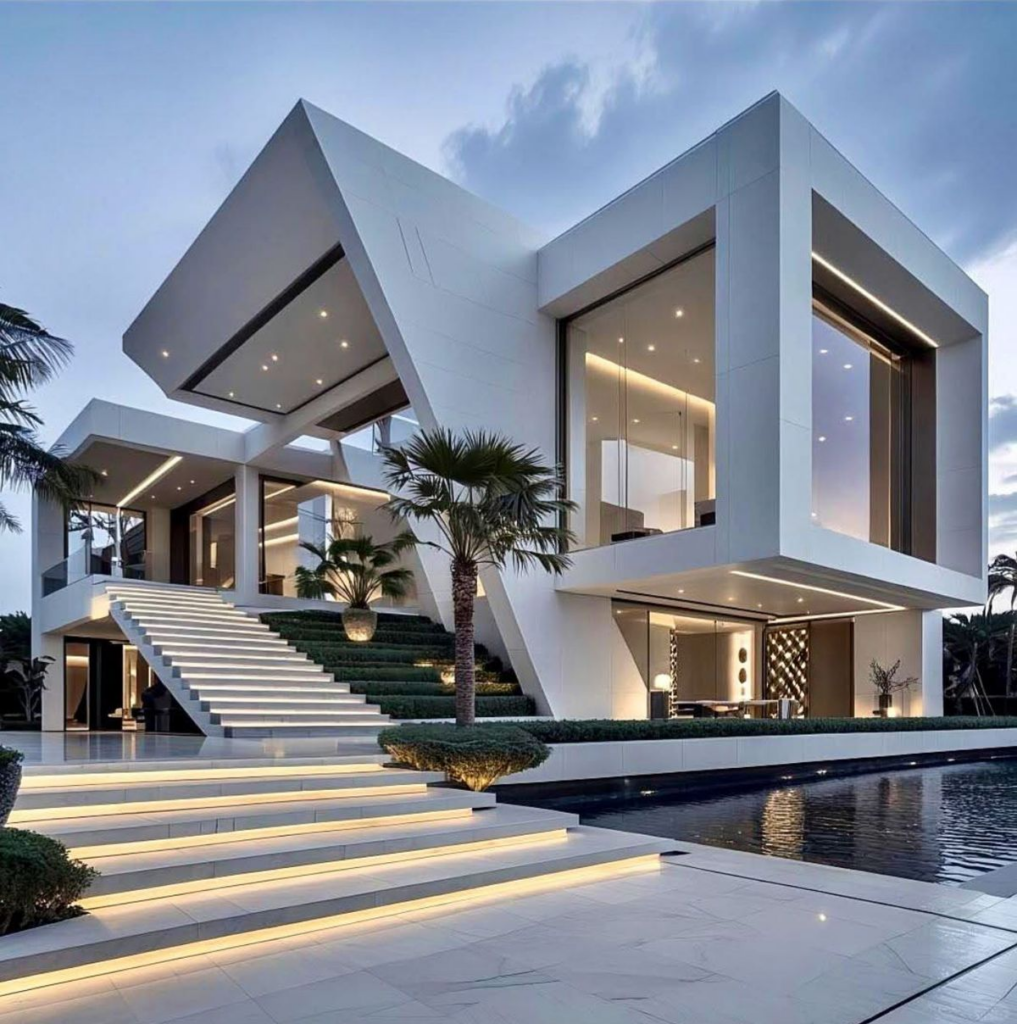
For instance, cities like Austin, Texas, and Boise, Idaho, which saw significant migration and price surges in recent years, may now be experiencing a cooling-off period compared to their previous explosive growth. Meanwhile, other mid-sized cities with a lower cost of living and expanding employment opportunities might be quietly gaining traction. Navigating these regional differences is paramount for anyone looking to invest in or purchase a home, and understanding local market dynamics is as critical as grasping national trends. The search for affordable homes in California, for example, presents a starkly different challenge than finding such properties in the Midwest.
Investor Strategies in a Stable Appreciation Environment
For real estate investors, this period of sustained, moderate US home price appreciation calls for a strategic and patient approach. Gone are the days of expecting rapid appreciation on every flip. Instead, the focus shifts towards long-term value creation through rental income and steady equity growth. Properties in well-established neighborhoods with strong rental demand are likely to remain sound investments.
Key considerations for investors in the current climate include:
Cash Flow Analysis: With higher mortgage rates, the ability of a property to generate positive cash flow from rental income becomes even more critical. Thorough analysis of potential rental income versus all expenses, including mortgage, taxes, insurance, and maintenance, is essential.
Property Management Expertise: For investors looking to capitalize on rental demand, efficient property management is key. This ensures tenant satisfaction, minimizes vacancies, and maximizes returns.
Identifying Undervalued Markets: While some popular markets may be priced at a premium, diligent research can uncover emerging areas with strong growth potential at more accessible price points. The search for real estate investment opportunities requires a keen eye for value.
Long-Term Hold Strategy: In a market characterized by gradual appreciation, a buy-and-hold strategy often yields the most predictable and sustainable returns. This allows investors to benefit from both rental income and the long-term upward trend in US home prices.
The Role of Technology and Innovation
The real estate industry, like many others, is continually being shaped by technological advancements. Innovations in areas like virtual tours, property management software, and data analytics are streamlining processes and providing greater insights for both buyers and sellers. Furthermore, advancements in construction technology, while still facing adoption hurdles, hold the potential to address the supply shortage in the long term. The development of more sustainable and cost-effective building methods could eventually contribute to a greater availability of new construction homes.
Navigating the Path Forward
The US housing market in 2025 and beyond is not a market of dramatic booms or busts, but rather one of steady evolution. The interplay of persistent mortgage rates, constrained supply, and evolving economic conditions points towards a landscape where US home price appreciation will continue, albeit at a measured pace. For those looking to buy, sell, or invest, understanding these underlying dynamics is crucial for making informed decisions.
The era of exceptionally low borrowing costs may be behind us, but the inherent desirability of homeownership in the United States, coupled with the fundamental need for housing, ensures a resilient market. Patience, strategic planning, and a clear understanding of current market realities will be the cornerstones of success for all participants in the US real estate market.
If you’re feeling overwhelmed by the current market conditions or are unsure how to best position yourself for the opportunities ahead, remember that expert guidance can make all the difference. Consider reaching out to a trusted real estate professional who can provide personalized insights and help you navigate the complexities of buying or selling in today’s evolving market. Taking that informed step forward is the most powerful action you can take.